30-second load times
The application was noticeably slow on initial load, creating friction for frontline workers who needed fast access during operational hours.
Xenia is an AI-powered operations execution platform used by restaurants, retail chains, and hospitality businesses to manage tasks, checklists, audits, work orders, and team communication across multiple locations.
We joined as Full-Stack Engineers when the company had raised approximately $1M in seed funding. Over two years, we contributed to core features across the platform — from performance infrastructure to billing architecture to user-facing product features that helped unlock new customer segments.
The platform has since raised a $12M Series A.
The application was noticeably slow on initial load, creating friction for frontline workers who needed fast access during operational hours.
The template builder crashed the browser at 20+ checklist items due to unnecessary re-renders — severely limiting the complexity of templates customers could build.
Users had no way to share checklists or tasks with people outside Xenia — blocking use cases like guest experience surveys in hospitality.
Premium features and free features were undifferentiated. There was no billing system, no plan gating, and no way to charge for advanced capabilities.
Load Time & Rendering Performance
Added response compression across the API layer, reducing initial load times from 30 seconds to 7 seconds — a 77% improvement. Resolved systematic unnecessary re-renders in the checklist builder, increasing its item limit from a browser-crashing 20 items to a stable 100+ without performance degradation.
Checklist & Template System
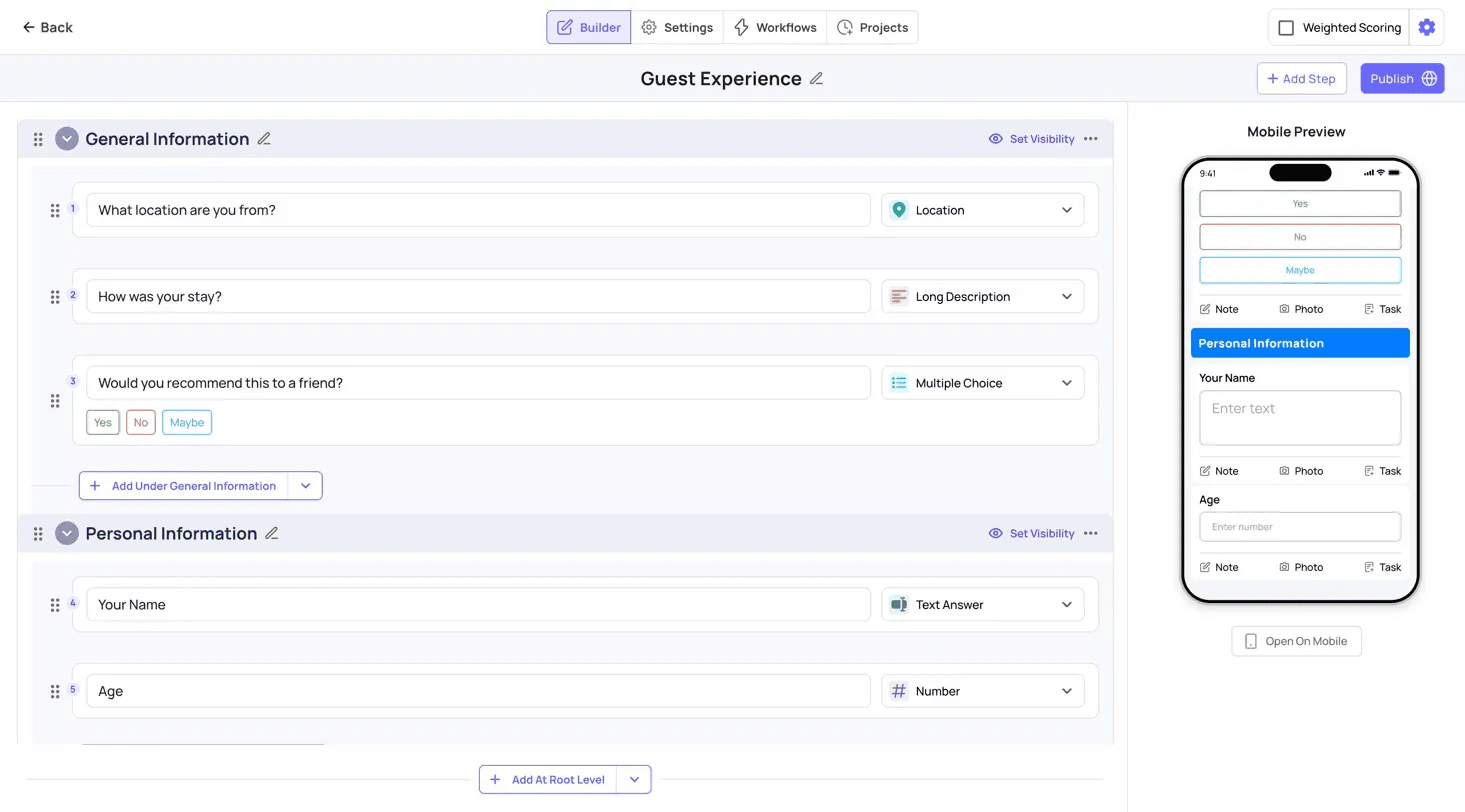
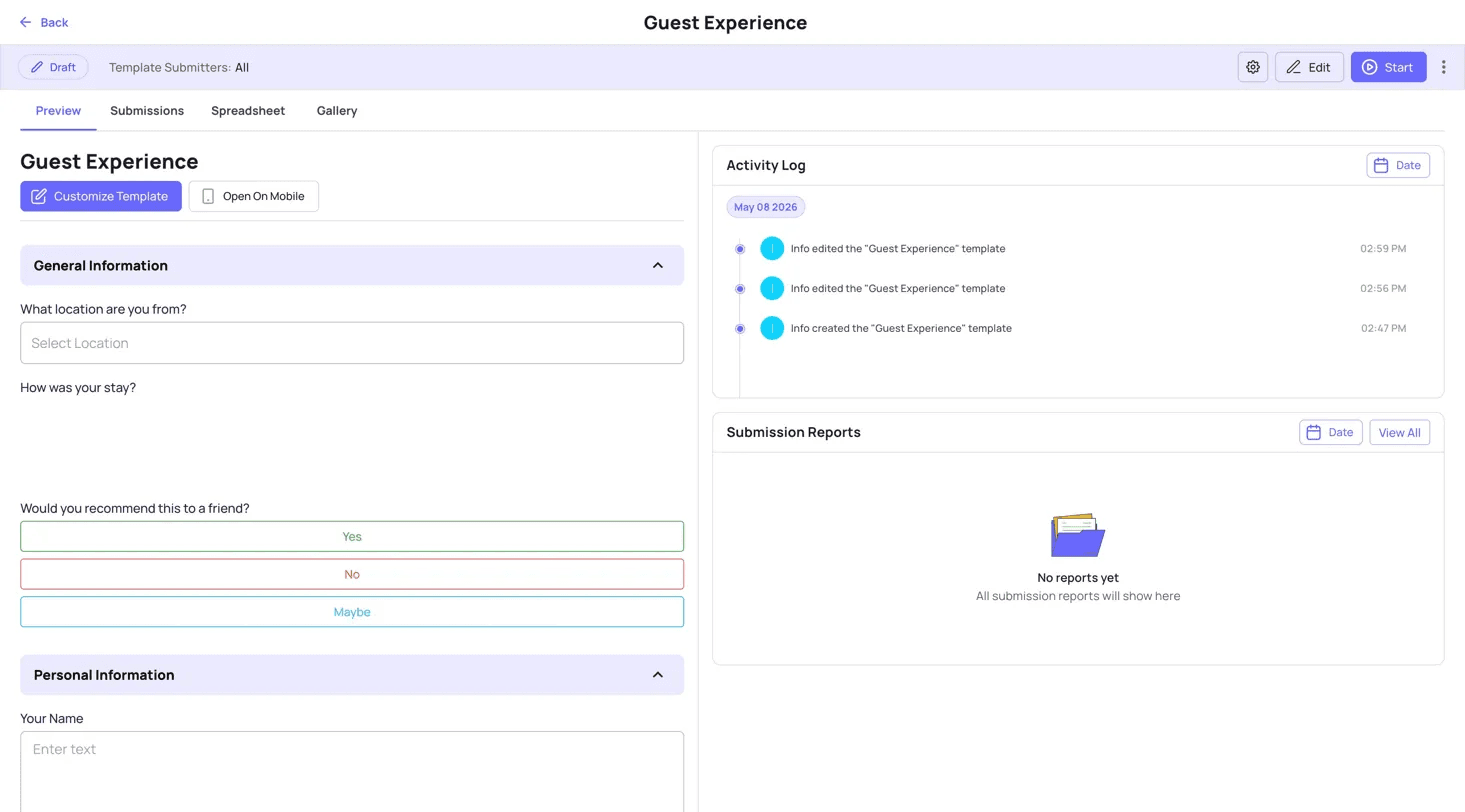
Built and improved the core template builder — the feature used by operations managers to create checklists, inspection forms, and SOPs. The builder supports multiple question types, section grouping, conditional logic, and a live mobile preview so managers see exactly what frontline workers will see before publishing.
External Sharing
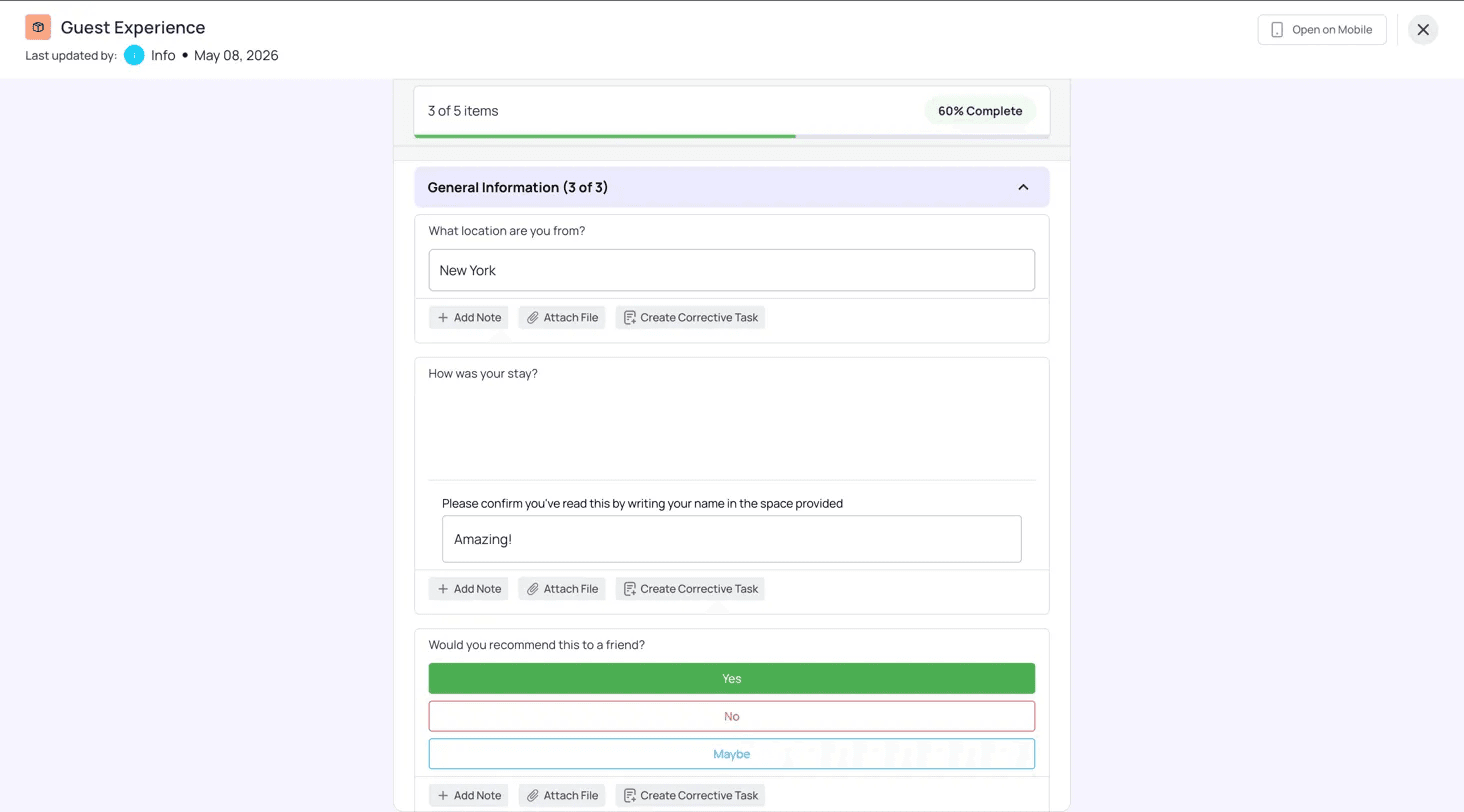
Built the public checklist feature — allowing templates to be shared with people outside the Xenia platform via a public link. This unblocked a significant use case: hospitality businesses collecting guest experience feedback directly through Xenia without requiring guests to create an account. This feature helped convert previously reluctant customers who needed to collect data from external parties.
Stripe Billing & Monetisation
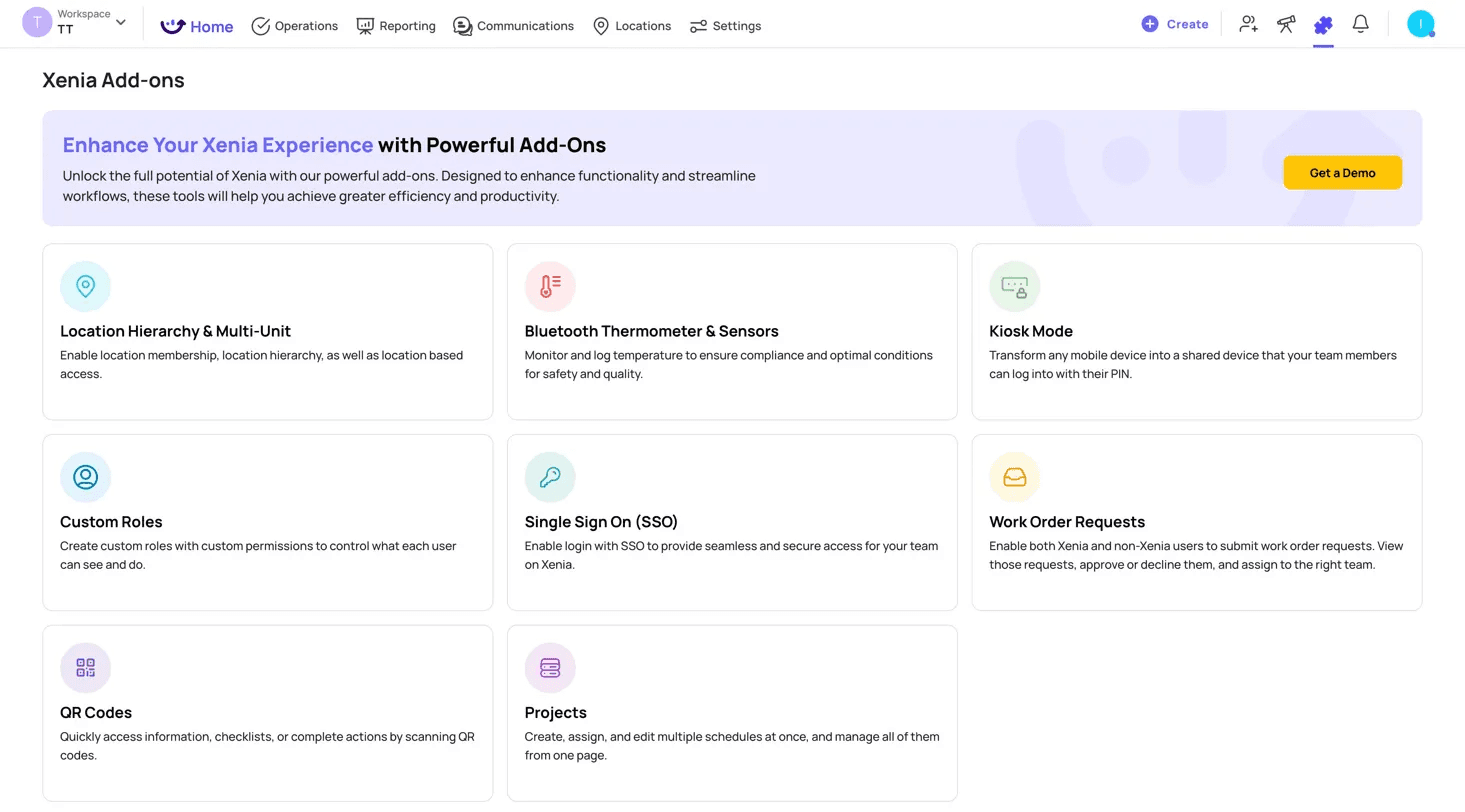
Built the complete billing infrastructure — Stripe integration, recurring subscription plans, and feature gating. Before this, premium and free features were undifferentiated. After implementation, every add-on feature was properly gated behind the appropriate plan, creating a sustainable freemium-to-paid conversion path for the business.
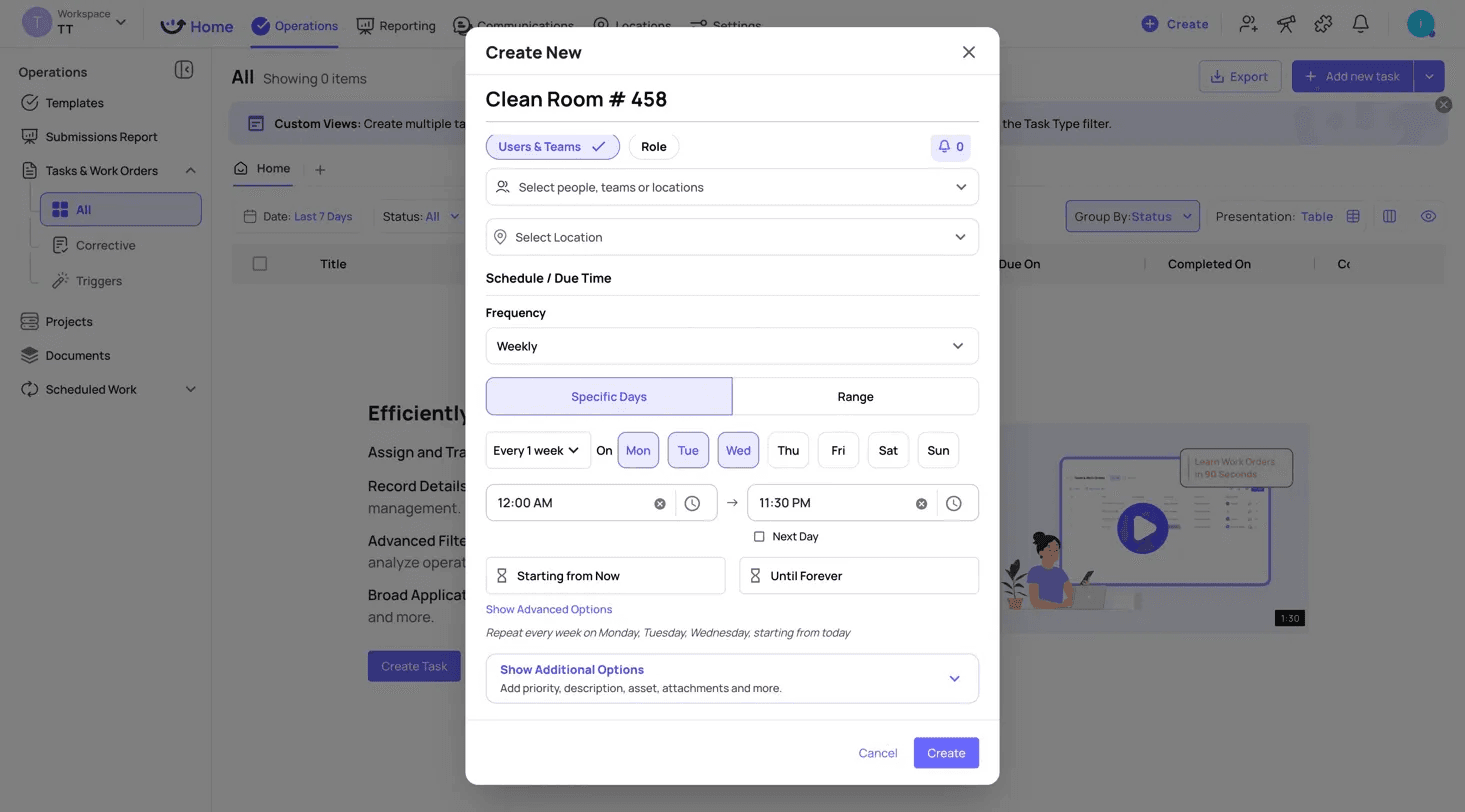
Recurring task creation with frequency, day, and time configuration.
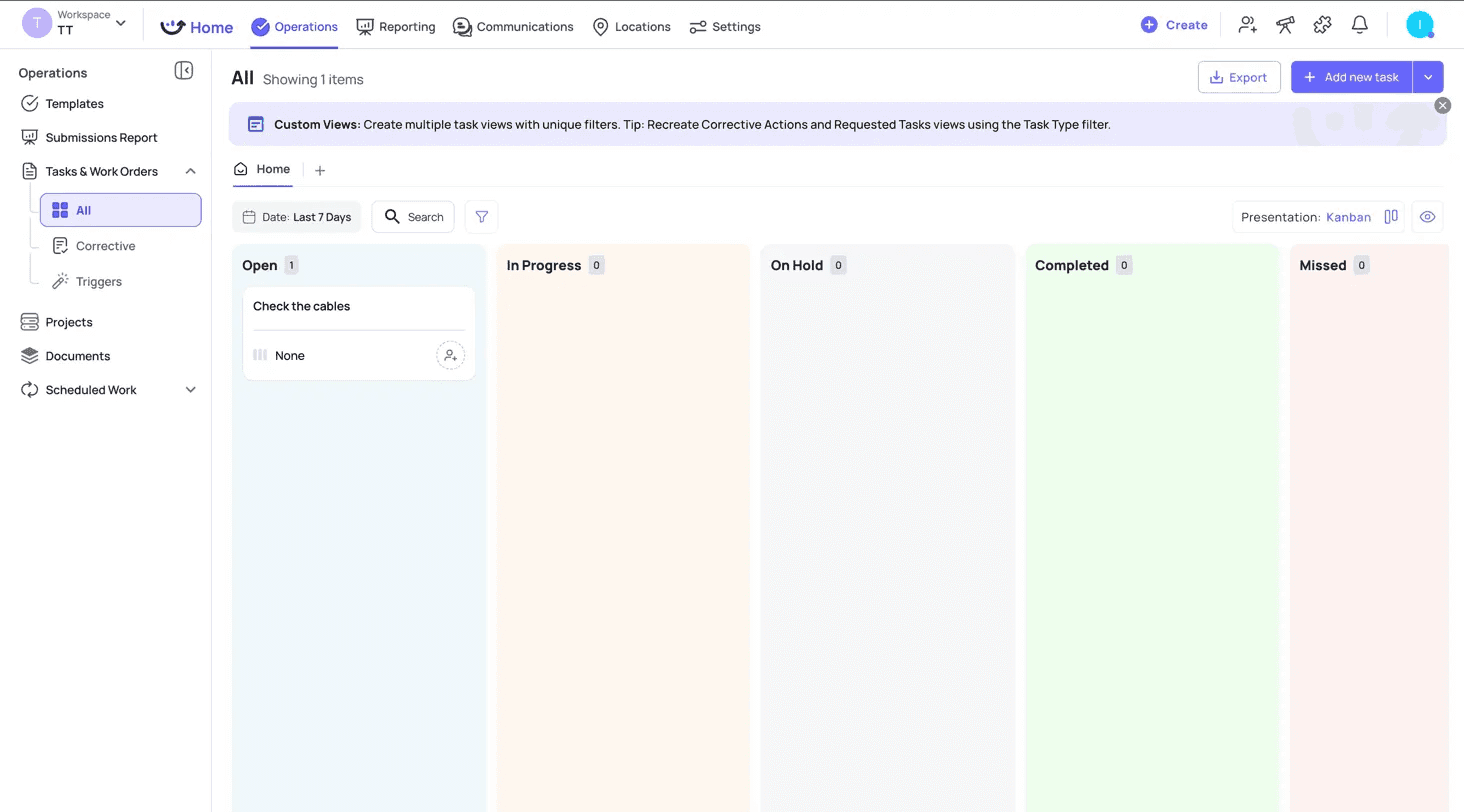
Kanban board view — tasks organised by status across the pipeline.
Reporting & Exports
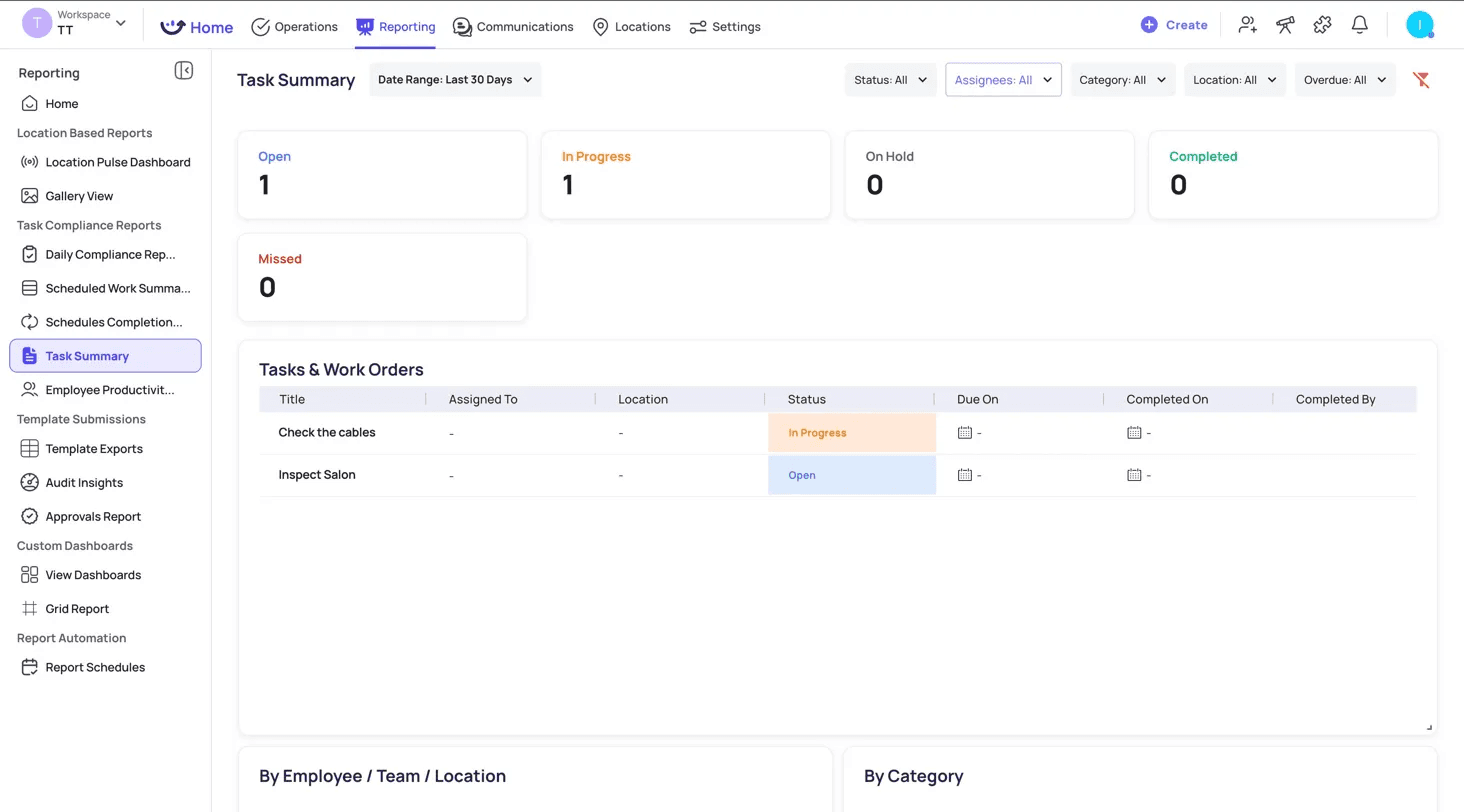
Contributed to the reporting layer — template submission tracking, task compliance reports, and scheduled work summaries. Reports are filterable by location, date range, status, and employee, giving operations managers visibility across all sites.
AI-Assisted Documents
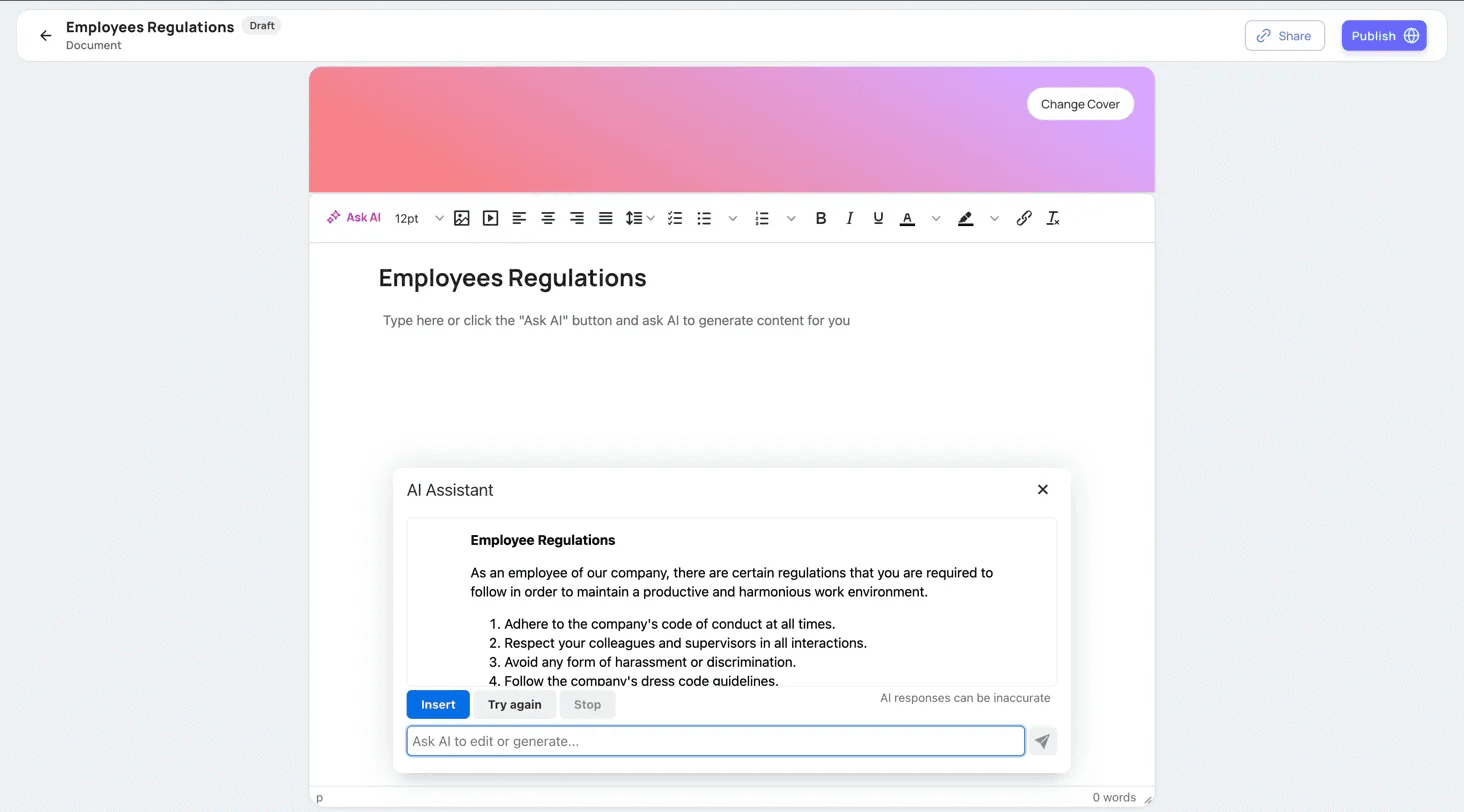
Contributed to the documents module with AI assistant integration — allowing managers to generate SOPs, employee regulations, and operational documents directly within Xenia using an inline AI prompt interface.
77%
Load time reduction
30s → 7s
5×
Checklist capacity
20 → 100+ items
$1M → $12M
Seed to Series A
during tenure
Unlocked
External use cases
via public links